1391 Broadway Bangor, ME 04401
How Senior Pet Wellness Exams Differ From Regular Checkups

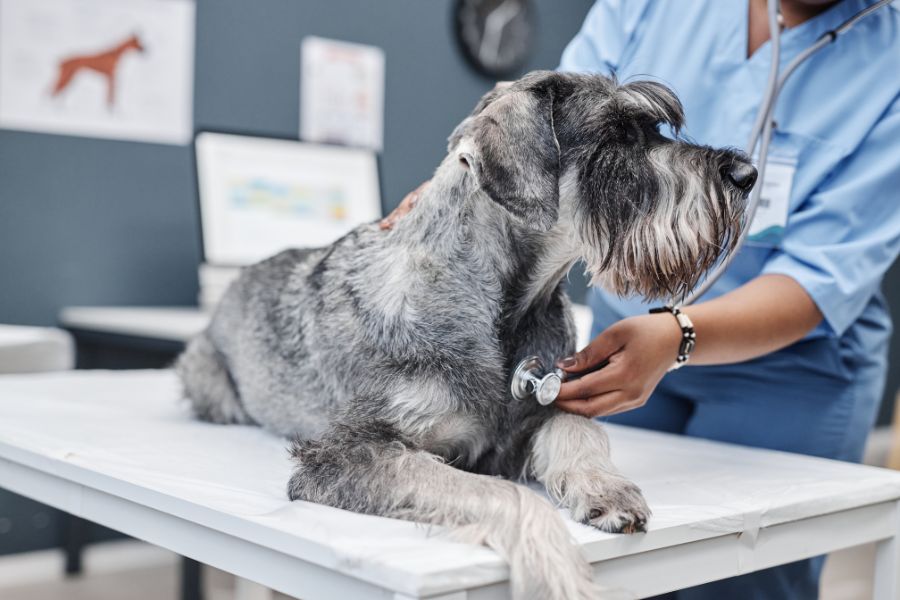
As pets age, their healthcare needs change significantly. A standard annual visit may no longer be enough to catch early signs of disease, pain, or mobility problems. That’s why a senior pet wellness exam is more detailed, more frequent, and more focused on age-related conditions than a regular checkup.
In this guide, you’ll learn how senior pet wellness exams work, what veterinarians look for during these visits, and why early detection can help your senior pet live a longer, healthier, and more comfortable life.
What Is Considered a Senior Pet?
Most pets are considered seniors around these ages:
- Dogs: Typically between 7 and 10 years old, depending on breed size
- Cats: Around 10 years old
- Large-breed dogs often age faster than small breeds
Aging affects pets differently, but many develop slower metabolism, joint stiffness, reduced organ function, and changes in vision or hearing. Regular veterinary care becomes more important during this stage of life.
How a Senior Pet Wellness Exam Differs From a Regular Checkup?
A regular wellness exam focuses on maintaining overall health and updating preventive care. A senior pet wellness exam goes deeper by screening for hidden conditions that become more common with age.
Here are the biggest differences.
More Frequent Veterinary Visits
Younger adult pets often visit the vet once a year. Senior pets usually benefit from exams every six months.
Why? Pets age much faster than humans. In just six months, a senior pet can develop:
- Kidney disease
- Arthritis
- Diabetes
- Thyroid disorders
- Heart disease
- Dental infections
More frequent exams help detect changes early before they become severe or expensive to treat.
More Extensive Physical Examinations
A regular exam checks your pet’s general health. During a senior pet visit, the veterinarian performs a more detailed evaluation focused on aging-related concerns.
This may include checking:
- Muscle loss and body condition
- Joint flexibility and signs of arthritis
- Vision and hearing changes
- Heart and lung function
- Skin growths or lumps
- Neurological responses
- Changes in weight or hydration
Even subtle changes can reveal early signs of illness in older pets.
Advanced Diagnostic Testing
One of the biggest differences in senior pet care is diagnostic screening.
Many illnesses in older pets develop silently. Your pet may appear normal while the disease progresses internally. Senior wellness exams often include routine lab work to identify problems early.
Common tests include:
Blood Testing
Bloodwork helps evaluate:
- Kidney function
- Liver health
- Blood sugar levels
- Thyroid hormones
- Infection or inflammation
- Anemia
These tests provide valuable insight into your pet’s internal health.
Urinalysis
Urine testing can detect:
- Kidney disease
- Diabetes
- Urinary tract infections
- Bladder issues
- Dehydration
Blood Pressure Monitoring
High blood pressure is especially common in older cats and can lead to:
- Vision loss
- Kidney damage
- Heart complications
Fecal Testing
Senior pets can still develop intestinal parasites, especially if their immune system weakens with age.
X-Rays or Imaging
If mobility problems or chronic pain are suspected, veterinarians may recommend imaging to evaluate:
- Arthritis
- Spinal changes
- Organ enlargement
- Heart conditions
- Tumors
Greater Focus on Arthritis and Pain Management
Many senior pets suffer from chronic pain, especially arthritis, but they often hide discomfort very well.
Signs of arthritis may include:
- Difficulty climbing stairs
- Reluctance to jump
- Limping
- Sleeping more
- Irritability
- Slower movement
- Trouble standing up
During a senior pet wellness exam, veterinarians assess mobility carefully and may recommend:
- Joint supplements
- Weight management
- Anti-inflammatory medications
- Laser therapy
- Physical rehabilitation
- Orthopedic bedding
Pain management can dramatically improve a senior pet’s quality of life.
Dental Health Gets More Attention
Dental disease becomes increasingly common in aging pets. Infections in the mouth can spread bacteria throughout the body and affect organs like the heart and kidneys.
Senior exams often include a detailed oral evaluation for:
- Tartar buildup
- Gum disease
- Broken teeth
- Oral tumors
- Bad breath
- Pain while eating
Professional dental cleanings may be recommended to prevent serious complications.
Monitoring Weight and Nutrition
Weight changes in senior pets can signal underlying illness.
Unexpected weight loss may indicate:
- Cancer
- Diabetes
- Kidney disease
- Hyperthyroidism
Weight gain can worsen:
- Arthritis
- Heart disease
- Breathing problems
Veterinarians may recommend nutritional adjustments based on your senior pet’s:
- Activity level
- Medical conditions
- Muscle mass
- Digestive health
Senior diets are often designed to support joint health, brain function, and organ health.
Behavioral and Cognitive Changes Are Evaluated
Older pets can develop cognitive decline similar to dementia in humans.
Signs may include:
- Confusion
- Pacing at night
- Forgetting routines
- Increased anxiety
- House-soiling accidents
- Changes in sleep patterns
A senior pet wellness exam includes a discussion about behavioral changes that could indicate cognitive dysfunction or underlying medical issues.
Early treatment and lifestyle adjustments may help slow progression.
Preventive Care Still Matters
Even though pets are older, preventive care remains essential.
Senior wellness visits often review:
- Vaccination needs
- Parasite prevention
- Heartworm prevention
- Skin and coat health
- Exercise routines
Vaccines may be adjusted depending on your pet’s age, lifestyle, and overall health status.
Why Early Detection Matters in Senior Pets?
Many age-related diseases progress gradually and may not show symptoms until advanced stages.
Routine senior wellness exams can help detect conditions early, including:
- Kidney disease
- Heart disease
- Cancer
- Diabetes
- Thyroid disorders
- Arthritis
Early diagnosis often means:
- More treatment options
- Lower long-term medical costs
- Better comfort
- Longer lifespan
- Improved quality of life
Preventive care can add meaningful years to your pet’s life.
Signs Your Senior Pet Needs a Veterinary Exam Soon
Schedule an exam promptly if your pet shows:
- Changes in appetite
- Increased thirst
- Weight loss
- Difficulty walking
- Persistent coughing
- Vomiting or diarrhea
- Confusion
- Accidents indoors
- Bad breath
- Lumps or swelling
- Sudden behavior changes
Even mild symptoms can signal serious health problems in older pets.
How to Prepare for a Senior Pet Wellness Exam?
To get the most from the appointment:
- Bring a list of symptoms or behavior changes
- Note eating and drinking habits
- Record medications or supplements
- Mention mobility concerns
- Bring stool or urine samples if requested
Photos or videos of unusual behavior at home can also help your veterinarian evaluate subtle problems.
Conclusion
A senior pet wellness exam is much more comprehensive than a routine checkup. These visits focus on early disease detection, pain management, mobility, nutrition, and overall quality of life. Regular monitoring helps your Bangor veterinarian to identify health problems before they become serious and gives aging pets the support they need to stay comfortable and active.
If your older dog or cat hasn’t had a wellness screening recently, schedule a senior care visit with Broadway Veterinary Clinic in Bangor, ME, to help your pet enjoy healthier golden years.
FAQs
Q1: How often should a senior pet have a wellness exam?
Ans: Most senior pets should see a veterinarian every six months because health conditions can develop quickly as pets age.
Q2: What age is considered senior for dogs and cats?
Ans: Cats are generally considered senior around age 10. Dogs may be considered senior between 7 and 10 years old, depending on breed size.
Q3: Are senior pet wellness exams more expensive than regular checkups?
Ans: Senior exams may cost more because they often include additional diagnostic tests such as bloodwork, urinalysis, or imaging.
Q4: Why does my senior pet need bloodwork if they seem healthy?
Ans: Many diseases in senior pets develop without obvious symptoms. Blood testing helps detect hidden conditions early.
Q5: Can senior pet wellness exams improve lifespan?
Ans: Yes, early detection and proper management of age-related diseases can improve both lifespan and quality of life for senior pets.



Trusted Pet Care & a Friendly Welcome for Every Pet
