1391 Broadway Bangor, ME 04401

How Dental Care Keeps Your Pet Healthy and Happy

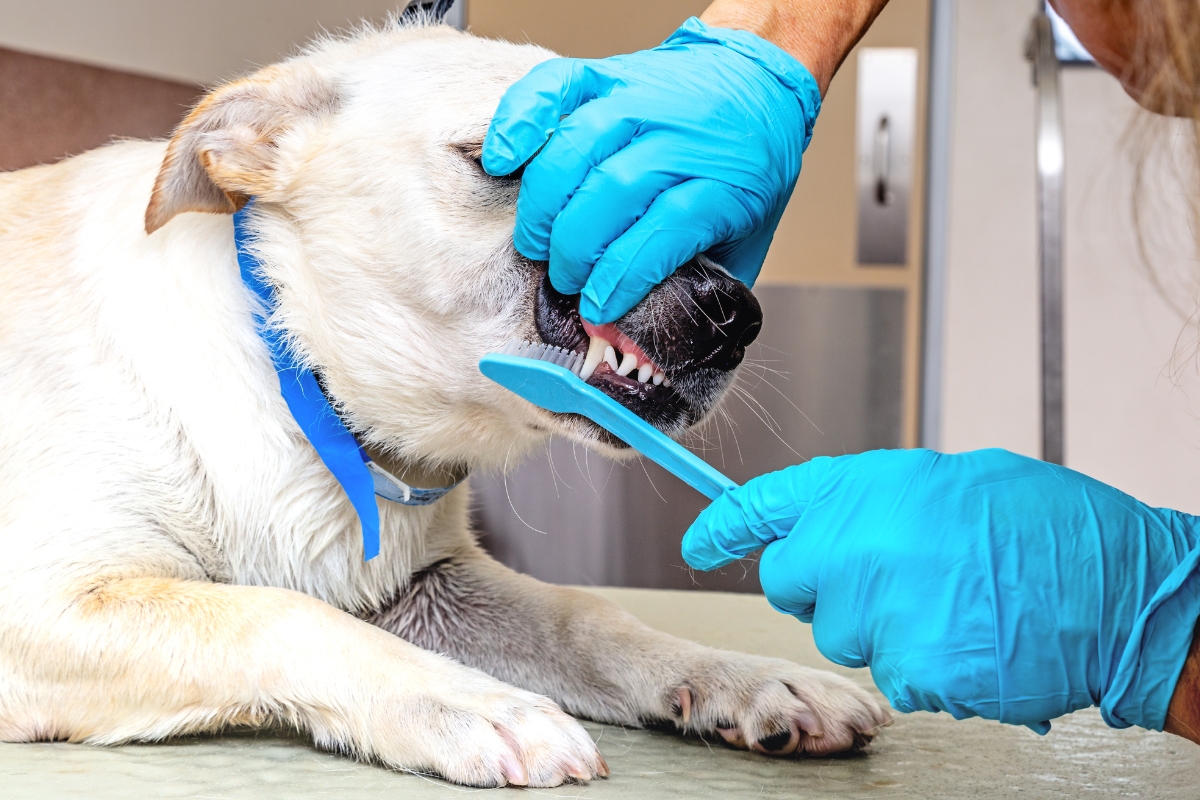
Pets bring endless joy, comfort, and companionship into our lives. As loving pet owners, we naturally focus on feeding them nutritious meals, giving them exercise, and scheduling routine wellness visits. However, many people overlook one critical aspect of overall wellness: dental health. Healthy teeth and gums play a major role in your pet’s comfort, energy levels, and long-term quality of life.
Without proper oral hygiene, pets can develop painful dental problems that affect far more than just their mouths. Infections, gum disease, and tooth decay may eventually impact important organs and reduce overall well-being. Therefore, maintaining a consistent oral care routine is one of the best ways to help pets stay healthy and active for years to come.
For pet owners in Bangor, ME, understanding the importance of oral health can help improve the lives of both cats and dogs while preventing avoidable health issues.
Why Oral Health Matters for Pets
Many pet owners assume bad breath is normal for dogs and cats. In reality, persistent bad breath often signals underlying dental disease. Plaque and bacteria begin building on teeth every day. Over time, this buildup hardens into tartar, which irritates the gums and creates an environment where infection can thrive.
As dental disease progresses, pets may experience pain while eating, chewing, or playing. Unfortunately, animals often hide discomfort very well. Because of this, many pets continue acting normally even when serious oral problems exist.
Good oral hygiene supports:
- Healthier gums
- Stronger teeth
- Fresher breath
- Better appetite
- Reduced risk of infection
- Improved overall comfort
In addition, healthy teeth help pets enjoy daily activities without unnecessary pain or irritation.
Common Dental Problems in Pets
Several oral health conditions affect pets throughout their lives. Early detection and routine veterinary visits can help prevent these problems from becoming severe. In addition, proper pet dental care helps reduce discomfort, infection risks, and long-term oral complications.
Periodontal Disease
Periodontal disease is one of the most common health conditions seen in pets. It begins when plaque accumulates around the gumline. If untreated, inflammation worsens and damages the tissues supporting the teeth.
Signs of periodontal disease include:
- Red or swollen gums
- Bad breath
- Loose teeth
- Difficulty chewing
- Drooling
- Bleeding from the mouth
Advanced periodontal disease may eventually lead to tooth loss and infections that spread to other parts of the body.
Tooth Fractures
Pets often chew on hard toys, bones, or other objects that can crack or break teeth. Fractured teeth expose sensitive inner tissues, causing pain and increasing the risk of infection.
Oral Infections
Bacteria inside the mouth can create painful abscesses or infections. In severe cases, bacteria may travel through the bloodstream and affect major organs.
Retained Baby Teeth
Some pets, especially smaller dog breeds, may retain baby teeth after adult teeth emerge. This overcrowding traps food and bacteria, increasing the risk of decay and gum disease.
How Dental Disease Affects Overall Health
Oral problems extend far beyond the mouth. Bacteria from infected gums can enter the bloodstream and travel throughout the body. As a result, untreated dental disease may contribute to problems involving the heart, liver, and kidneys.
Additionally, chronic pain from dental disease can affect a pet’s mood and behavior. Pets experiencing oral discomfort may become irritable, withdrawn, or less interested in eating and playing.
Routine oral care helps reduce these risks while improving long-term health outcomes.
Warning Signs Your Pet May Need Dental Attention
Recognizing early symptoms allows pet owners to seek treatment before problems worsen. While some signs are obvious, others can be subtle.
Watch for these common indicators:
- Persistent bad breath
- Yellow or brown tartar buildup
- Pawing at the mouth
- Difficulty eating dry food
- Excessive drooling
- Swollen gums
- Loose or missing teeth
- Decreased appetite
- Facial swelling
If you notice any of these symptoms, scheduling a veterinary evaluation is important.
The Importance of Professional Dental Exams
Routine veterinary dental evaluations help identify hidden issues that may not be visible at home. During an oral exam, veterinarians assess the teeth, gums, jaw alignment, and overall oral condition.
Professional cleanings remove plaque and tartar from areas difficult to reach with regular brushing. In many cases, dental X-rays are also necessary because significant problems can exist beneath the gumline.
Professional cleanings may include:
- Scaling plaque and tartar
- Polishing teeth
- Examining gum health
- Dental X-rays
- Tooth extractions if necessary
- Infection treatment
These procedures help maintain long-term oral health and prevent painful complications.
At-Home Dental Care Tips
Consistent home care plays a major role in keeping your pet’s mouth healthy between veterinary visits. Establishing a daily oral hygiene routine can significantly reduce plaque buildup and improve comfort.
Brush Your Pet’s Teeth Regularly
Brushing remains one of the most effective ways to reduce bacteria and tartar accumulation. Use a toothbrush and toothpaste specifically designed for pets, since human toothpaste may contain ingredients harmful to animals.
Start slowly by allowing your pet to become comfortable with the toothbrush and toothpaste flavor. Gradually increase brushing time as they adjust.
Provide Dental Chews
Dental chews can help reduce plaque while satisfying your pet’s natural chewing instincts. However, choose products approved for pet safety and avoid extremely hard items that may fracture teeth.
Use Dental Diets
Certain specially formulated diets help minimize tartar buildup. These foods often feature textures designed to clean teeth while pets chew.
Offer Safe Chew Toys
Appropriate chew toys support oral stimulation and may help reduce plaque accumulation. Avoid overly hard materials that could damage teeth.
Schedule Routine Checkups
Regular veterinary visits remain essential even with excellent home care. Professional evaluations help detect problems before they become serious.
Dental Care for Dogs
Dogs commonly experience plaque buildup because of their eating habits and chewing behavior. Smaller breeds often face an increased risk of dental disease due to crowded teeth.
Dog owners should monitor for:
- Reluctance to chew toys
- Changes in eating behavior
- Swollen gums
- Tartar buildup
Daily brushing and routine cleanings can significantly improve oral health outcomes for dogs of all ages.
Dental Care for Cats
Cats also develop dental disease, although symptoms can be harder to detect. Many cats continue eating despite oral pain, which sometimes delays treatment.
Signs of oral issues in cats may include:
- Drooling
- Reduced grooming
- Weight loss
- Bad breath
- Pawing at the face
Because cats are skilled at hiding discomfort, regular exams are especially important for maintaining oral health.
Preventive Care Supports Long-Term Wellness
Preventive care remains one of the best investments pet owners can make. Addressing dental concerns early often reduces the need for extensive procedures later.
In addition, preventive oral care can:
- Lower long-term veterinary costs
- Improve quality of life
- Reduce pain and discomfort
- Support healthier aging
- Improve appetite and nutrition
A proactive approach allows pets to remain comfortable, active, and happy throughout every stage of life.
The Role of Nutrition in Oral Health
Nutrition also influences oral wellness. Balanced diets support healthy gums, strong teeth, and immune function. Some foods contribute to excessive plaque accumulation, while others may help reduce buildup.
Providing high-quality nutrition alongside regular oral care creates a strong foundation for overall wellness.
Fresh water is equally important because hydration supports healthy saliva production and helps rinse bacteria from the mouth.
Reducing Stress During Dental Visits
Some pets feel anxious during veterinary appointments. Fortunately, there are several ways owners can help reduce stress.
Helpful strategies include:
- Using positive reinforcement
- Bringing familiar blankets or toys
- Scheduling calm appointment times
- Keeping the carrier experiences positive
- Practicing gentle mouth handling at home
Creating positive associations with oral care can make future visits easier for both pets and owners.
Senior Pets and Dental Health
Older pets often require additional oral care because dental problems become more common with age. Senior pets may develop worn teeth, gum recession, or infections that impact comfort and eating habits.
Routine monitoring helps identify age-related concerns early. With proper dental attention, senior pets can continue enjoying comfortable and active lives.
Building a Healthy Dental Routine
Establishing a simple routine makes oral care easier over time. Consistency matters more than perfection. Even small daily habits contribute to healthier teeth and gums.
A strong routine may include:
- Daily brushing
- Monthly oral checks at home
- Dental-friendly treats
- Annual professional evaluations
- Monitoring for behavioral changes
When oral care becomes part of everyday life, pets often adapt surprisingly well.
Why Early Treatment Matters
Delaying treatment may allow minor problems to become serious medical concerns. Early intervention helps reduce pain, prevent infections, and preserve healthy teeth whenever possible.
Veterinary professionals can create customized treatment plans based on your pet’s age, breed, lifestyle, and current dental condition.
Families in Bangor can benefit greatly from regular oral health evaluations that support lifelong wellness and comfort for their pets.
Healthy teeth and gums contribute directly to your pet’s happiness, comfort, and overall quality of life. By combining professional veterinary care with consistent home routines, pet owners can help prevent painful dental disease and support long-term wellness.
Regular exams, cleanings, proper nutrition, and daily hygiene habits all play important roles in maintaining strong oral health. Most importantly, proactive care allows pets to enjoy eating, playing, and living comfortably every day.
If you’re in Bangor, ME, and looking for pet dental care near you, schedule an appointment with Broadway Veterinary Clinic. Our veterinary team is committed to helping pets stay healthy, comfortable, and happy through compassionate preventive and dental care services.
FAQs
1. How often should my pet receive a professional dental cleaning?
Most pets benefit from professional dental cleanings once a year. However, some breeds or pets with existing dental conditions may require more frequent visits.
2. What causes bad breath in pets?
Bad breath is commonly caused by plaque buildup, gum disease, oral infections, or tooth decay. Persistent odor should always be evaluated by a veterinarian.
3. Can dental disease affect my pet’s overall health?
Yes. Untreated dental disease can allow bacteria to enter the bloodstream, potentially affecting organs such as the heart, liver, and kidneys.
4. Is brushing my pet’s teeth really necessary?
Regular brushing helps reduce plaque and tartar buildup while supporting healthier gums and fresher breath. It remains one of the most effective forms of preventive oral care.
5. Are dental treats enough to keep teeth clean?
Dental treats can help reduce plaque, but they should not replace brushing and professional veterinary evaluations.
6. At what age should pets start dental care?
Dental care should begin early in life so pets become comfortable with oral hygiene routines. Puppies and kittens benefit from gradual introduction to brushing and mouth handling.
Related Articles
Trusted Pet Care & a Friendly Welcome for Every Pet
