1391 Broadway Bangor, ME 04401

Can Pets Eat Halloween Candy? Chocolate, Sugar-Free Sweets, and Other Risks

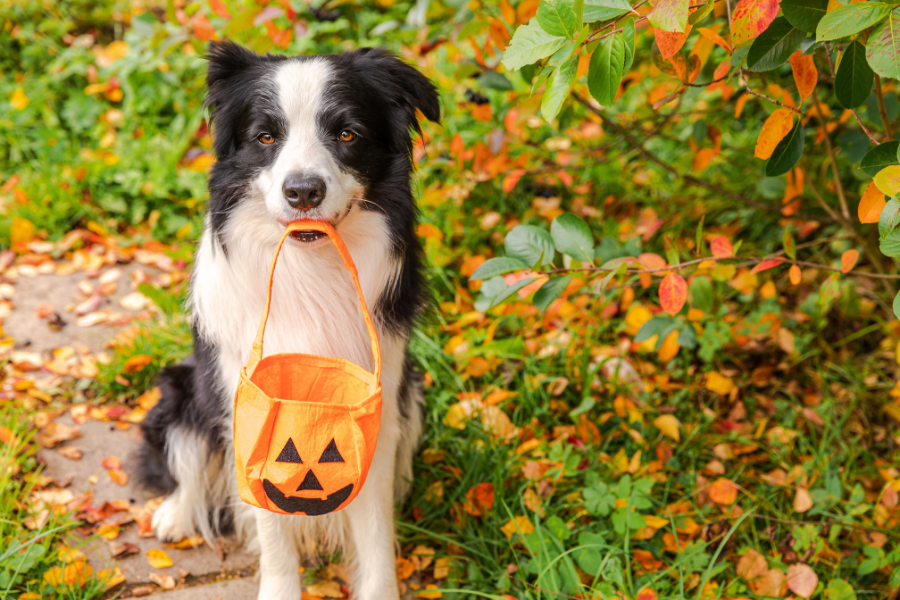
Halloween brings colorful candy bowls, trick-or-treat bags, and sweet treats that can be tempting to curious pets. While your dog may happily sniff a chocolate bar or your cat may bat around a dropped candy wrapper, these seemingly small encounters can create serious health concerns. Some sweets contain ingredients that are toxic to pets, while others can cause stomach upset or choking.
The safest approach is to keep Halloween candy away from dogs and cats and know what to do if an accident happens. At Broadway Veterinary Clinic in Bangor, ME, pet owners can get guidance on common candy hazards and signs that need veterinary attention. Understanding which treats pose the greatest risks can help your family enjoy Halloween while keeping your pets safe.
Can Pets Eat Halloween Candy?
No, Halloween candy should not be given to dogs or cats. Chocolate, sugar-free sweets containing xylitol, and certain other ingredients can cause poisoning, while high-fat candy and swallowed wrappers can lead to additional health problems.
Even candy that is not considered poisonous may upset your pet’s stomach. Dogs and cats have different nutritional needs from people, and sugary treats offer no health benefit for them. A small piece may seem harmless, but the risk depends on the ingredients, the amount eaten, and your pet’s size.
Keep in mind that pets may find candy in places you do not expect, including:
- Trick-or-treat bags left on the floor
- Open candy bowls on coffee tables
- Backpacks and coat pockets
- Kitchen counters and rubbish bins
- Candy dropped during parties or door-to-door visits
Cats may be less likely than dogs to eat sweets, but they can still chew wrappers, lick spilled candy, or investigate chocolate left within reach.
If your pet eats Halloween candy, check the packaging and contact a veterinarian if the ingredients may be harmful or you are unsure what was swallowed. Do not wait for symptoms if chocolate, xylitol, or another potentially toxic ingredient is involved.
Why Is Chocolate Dangerous for Dogs and Cats?
Chocolate contains theobromine and caffeine, substances that pets process differently from people. These compounds can affect the heart and nervous system, and the risk increases with the type of chocolate, the amount eaten, and the animal’s size.
Different chocolate products contain different amounts of these compounds. In general, cocoa powder and baking chocolate are more concentrated than milk chocolate, while dark chocolate is often more dangerous than milk chocolate. White chocolate usually contains much less theobromine, but its high fat and sugar content can still cause digestive problems.
Possible signs of chocolate poisoning include:
- Vomiting or diarrhea
- Restlessness or unusual excitement
- Increased thirst or urination
- A fast or irregular heartbeat
- Muscle tremors
- Seizures in severe cases
Signs may not appear immediately, so a pet that seems normal after eating chocolate may still need prompt veterinary advice.
The amount that may cause illness depends on the chocolate type, the quantity swallowed, and your pet’s weight. Do not use appearance alone to decide whether your pet is safe.
What to do: Keep the wrapper, estimate how much chocolate is missing, and contact your veterinarian promptly. If your pet develops tremors, seizures, collapse, or difficulty breathing, seek emergency veterinary care immediately.
Are Sugar-Free Sweets Dangerous for Pets?
Yes, some sugar-free sweets can be especially dangerous because they contain xylitol, a sweetener found in certain gums, mints, candies, and other products. In dogs, xylitol can trigger a rapid drop in blood sugar and may cause serious liver injury. Cats are less commonly reported to experience this specific reaction, but sugar-free products should still be kept away from all pets.
Xylitol poisoning can develop quickly. Early signs may include vomiting, weakness, difficulty walking, shaking, or unusual tiredness. Severe cases can lead to seizures or collapse.
Do not assume that a product is safe simply because it contains no sugar. Check the ingredient list, including the ingredients of gum, breath mints, and candies that may be tucked inside a trick-or-treat bag.
If your dog eats a product containing xylitol, contact a veterinarian or animal poison control service immediately. Do not wait for signs of illness and do not attempt home treatment without professional instructions.
Other sugar-free products may use different sweeteners, so the ingredient list matters. If you cannot confirm what the candy contains, keep the package and ask a veterinary professional for advice.
What Other Halloween Treats Can Harm Pets?
Chocolate and xylitol are major concerns, but they are not the only hazards found in Halloween treats. Other ingredients and packaging can also make a candy-related accident dangerous.
Watch out for these common risks:
- Raisins and grape-containing snacks: Grapes and raisins can cause serious kidney injury in dogs. Some seasonal snack mixes contain them alongside chocolate or nuts.
- Macadamia nuts: These can make dogs ill and may cause weakness, vomiting, tremors, or difficulty walking.
- Alcohol-filled sweets: Liquor-filled chocolates and other alcohol-containing treats can cause alcohol poisoning.
- High-fat sweets: Rich chocolate candies, nut-filled treats, and other fatty foods may cause stomach upset and can contribute to pancreatitis, a painful inflammation of the pancreas.
- Candy wrappers: Foil, plastic, and paper wrappers can cause choking or intestinal blockage if swallowed.
- Hard candy and lollipops: These can present choking risks, and the sticks may cause injury if chewed or swallowed.
- Large quantities of sugary candy: Even when the ingredients are not toxic, eating a lot can cause vomiting, diarrhea, and abdominal discomfort.
Sugar-free gum and mints deserve special attention because xylitol may be present even when the product does not look like candy.
If your pet eats a treat with unknown ingredients, save the package and seek veterinary advice. A wrapper can help identify the product, while knowing whether your pet swallowed packaging may help the veterinarian assess the risk of an obstruction.
What Happens If a Pet Eats Halloween Candy?
The effects depend on what your pet ate, how much was swallowed, and how long ago it happened. Some pets develop mild digestive upset, while others need urgent treatment for poisoning or an intestinal blockage.
Possible warning signs include vomiting, diarrhea, restlessness, drooling, weakness, tremors, or changes in behavior. Repeated vomiting, a painful abdomen, difficulty passing stool, or reduced appetite after swallowing wrappers may raise concern about a blockage.
Hypothetical example: Imagine a dog named Bailey who finds a trick-or-treat bag and eats several pieces of candy before the family notices. The owner checks the packaging and discovers that some pieces contain dark chocolate and sugar-free gum. After calling a veterinarian, the owner is advised to bring Bailey in for assessment, allowing the veterinary team to evaluate the possible exposure and begin appropriate care before severe signs develop.
Your veterinarian may ask for your pet’s weight, the exact product, the amount eaten, and the time of exposure. Depending on the ingredients and symptoms, the next steps may include examination, blood tests, monitoring, or treatment to manage the effects of the substance.
Do not try to make your pet vomit or give milk, oil, salt, or other home remedies. These approaches can be harmful, and the correct response varies by substance. Follow your veterinarian’s instructions even if your pet appears comfortable.
What Should You Do If Your Pet Eats Halloween Candy?
If your dog or cat gets into a candy bowl or trick-or-treat bag, take action rather than assuming the amount was too small to matter.
Follow these steps:
- Remove the remaining candy. Move the bag or bowl out of reach and prevent your pet from eating more.
- Check the ingredients. Look for chocolate, xylitol, raisins, grapes, macadamia nuts, and alcohol.
- Estimate what was eaten. Count the missing pieces if possible, and check whether wrappers or sticks are also missing.
- Contact a veterinarian promptly. Explain the ingredients, amount, time of exposure, and your pet’s approximate weight.
- Keep the packaging. Bring it with you if the veterinarian recommends an examination.
- Watch for symptoms without delaying help. Do not wait for illness to appear before seeking advice about a potentially toxic ingredient.
If the product contains xylitol or your pet has eaten a concerning amount of chocolate, call immediately. Seizures, collapse, severe weakness, or trouble breathing require emergency veterinary care.
If your pet ate only a small amount of ordinary candy, professional advice can still help determine whether monitoring or an examination is appropriate. The risk cannot be judged reliably without knowing the ingredients and your pet’s size.
How Can You Keep Pets Safe During Halloween?
A few simple preparations can help prevent candy-related accidents without taking the fun out of Halloween.
Before trick-or-treating begins:
- Store candy in closed containers or cupboards your pet cannot reach.
- Remind children not to feed candy to pets.
- Empty trick-or-treat bags on a table instead of the floor.
- Keep rubbish bins covered so pets cannot retrieve discarded wrappers.
- Check the floor after parties or candy sorting.
- Provide pet-safe toys or treats so your pet has an appropriate distraction.
- Keep pets away from food preparation and serving areas.
During busy evenings, consider setting up a comfortable room away from the front door. Frequent visitors, costumes, doorbells, and outdoor activity can stress some animals. Make sure your pet has fresh water, a resting place, and access to a secure area where they can settle down.
Cats should have a quiet space away from open doors, especially when visitors arrive. Dogs that rush toward the entrance should be kept behind a secure barrier or on a leash when the door opens.
Check all seasonal decorations as well. Candy wrappers, glow sticks, batteries, candles, and small decorative items can create additional risks if chewed or swallowed.
With a little planning, you can protect curious pets while your family enjoys Halloween traditions.
When Should You Contact a Veterinarian?
Contact a veterinarian immediately if your pet eats candy containing chocolate, xylitol, raisins, grapes, macadamia nuts, or alcohol. Prompt advice is also important if the ingredients are unknown or your pet may have swallowed wrappers, sticks, or other packaging.
Seek urgent veterinary care if you notice:
- Repeated vomiting or severe diarrhea
- Weakness, shaking, or difficulty walking
- Unusual restlessness or marked behavior changes
- A fast or irregular heartbeat
- A painful or swollen abdomen
- Repeated retching or trouble passing stool
- Seizures, collapse, or difficulty breathing
Do not wait for symptoms after a suspected toxic exposure. Some problems take time to become visible, and early treatment may reduce the chance of serious complications.
If your regular veterinarian is unavailable, contact a local emergency veterinary hospital or an animal poison control service. The ASPCA Animal Poison Control Center and Pet Poison Helpline provide case-specific guidance in the United States, and fees may apply.
When you call, keep the product packaging nearby and explain what your pet ate, approximately how much, and when it happened. This information can help the veterinary professional recommend the safest next step.
Conclusion
Halloween candy may be a seasonal treat for people, but it can pose real risks to dogs and cats. Chocolate, xylitol-containing sweets, raisins, alcohol-filled candies, and swallowed wrappers are among the hazards to watch for. Keeping treats out of reach and checking ingredient labels can help prevent an unexpected trip to the veterinarian.
If your pet gets into a candy bag, remove the remaining treats, save the packaging, and contact a veterinary professional for guidance. Do not wait for symptoms or try home remedies when a potentially toxic ingredient is involved. To decide what your pet needs after possible candy exposure, contact Broadway Veterinary Clinic in Bangor, ME, and follow the veterinary team’s advice.
FAQs
Q1: Can dogs eat one piece of Halloween candy?
A: Halloween candy is not a suitable treat for dogs, and the risk depends on the ingredients and amount eaten. Even one piece may be dangerous if it contains xylitol or a concentrated chocolate product. Check the package and contact a veterinarian if you are unsure.
Q2: What should I do if my dog eats chocolate on Halloween?
A: Contact a veterinarian promptly and share the type of chocolate, the estimated amount, your dog’s weight, and when it was eaten. Keep the wrapper for reference and do not induce vomiting unless instructed by a veterinary professional. Seek emergency care if your dog develops tremors, seizures, collapse, or breathing problems.
Q3: Can cats eat Halloween candy?
A: No, Halloween candy should not be offered to cats. Chocolate, certain sweeteners, and swallowed wrappers can pose health risks, while sugary treats may upset the digestive system. Keep candy and trick-or-treat bags in secure places.
Q4: How long after eating candy can a pet show symptoms?
A: The timing varies with the ingredient, amount, and pet. Some toxic effects may develop quickly, while other problems take longer to appear. Contact a veterinarian as soon as you suspect your pet has eaten a harmful treat rather than waiting for signs.
Q5: When should I take my pet to the vet after eating Halloween candy?
A: Contact a veterinarian immediately if the candy contains chocolate, xylitol, raisins, grapes, alcohol, or other potentially harmful ingredients. Urgent care is also important if your pet swallowed wrappers or develops vomiting, weakness, tremors, or abdominal pain. Seizures, collapse, and difficulty breathing require emergency veterinary attention.

Trusted Pet Care & a Friendly Welcome for Every Pet
