1391 Broadway Bangor, ME 04401

Top 10 Easiest and Hardest Dog Breeds to Train

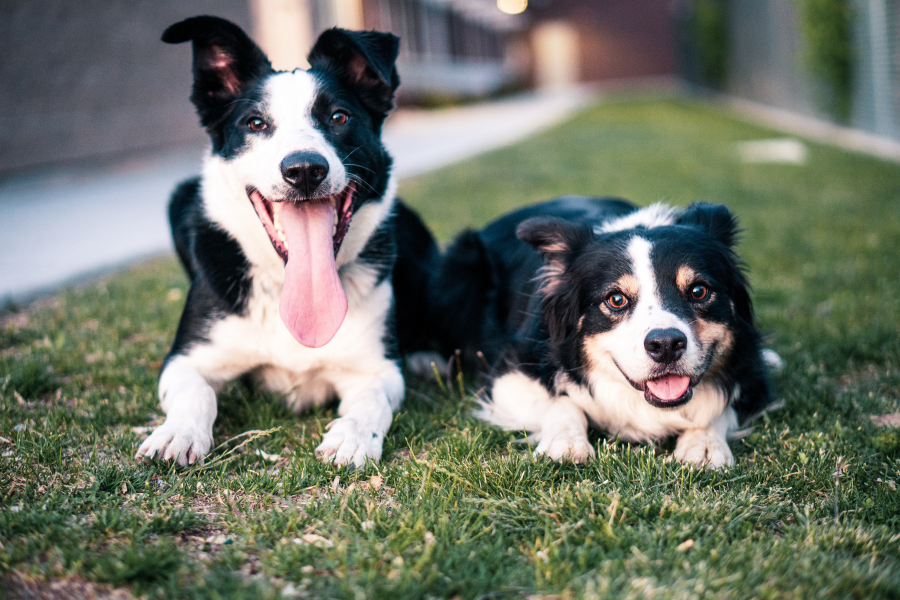
Choosing a dog based only on appearance can lead to surprises once training begins. Some dogs pick up new commands quickly and enjoy working with people, while others are more independent, easily distracted, or motivated by their own instincts. Understanding the easiest and hardest dog breeds to train can help you set realistic expectations before bringing a dog home. At Broadway Veterinary Clinic in Bangor, ME, we know that breed is only one part of the picture. Age, personality, past experiences, health, motivation, and your training approach all affect how a dog learns. This guide compares ten breeds often considered easier or more challenging to train and explains how owners can make training more successful.
Which Dog Breeds Are the Easiest and Hardest to Train?
The easiest dog breeds to train often include Border Collies, Poodles, Golden Retrievers, Labrador Retrievers, and Shetland Sheepdogs because they tend to be responsive, motivated, and eager to work with people. Breeds often considered more challenging include Afghan Hounds, Basenjis, Chow Chows, Beagles, and Shiba Inus because they can be independent, distracted, or strongly driven by instinct.
However, no breed is automatically easy or difficult. Individual personality can matter just as much as genetics.
Training difficulty can depend on:
- Motivation: What rewards does your dog value?
- Energy level: Can your dog settle long enough to focus?
- Independence: Does your dog prefer making its own decisions?
- Environment: How many distractions are present?
- Consistency: Are household rules clear every day?
A breed may give you a general idea of what to expect, but your individual dog still needs to be understood.
What Are the 5 Easiest Dog Breeds to Train?
Several breeds are known for being responsive to training and interested in working with their owners.
1. Border Collie
Border Collies are highly intelligent and often excel when given both physical and mental challenges. They typically learn quickly, but their intelligence also means they need enough activity to stay engaged.
2. Poodle
Poodles are intelligent, adaptable, and often eager to learn. They can respond well to reward-based training and enjoy activities that challenge their minds.
3. Golden Retriever
Golden Retrievers are often motivated by praise, food rewards, and interaction with their families. Their friendly nature can make basic training enjoyable for many owners.
4. Labrador Retriever
Labrador Retrievers are commonly used in working and assistance roles because many are responsive and motivated to learn. Their energy level means training should be combined with appropriate daily exercise.
5. Shetland Sheepdog
Shetland Sheepdogs are attentive and often quick to respond to their owners. They can enjoy learning tricks, obedience exercises, and other activities that provide mental stimulation.
Even easy-to-train breeds need patience. A smart dog is not automatically a well-trained dog.
What Are the 5 Hardest Dog Breeds to Train?
Some breeds can require more patience because of their independence, strong instincts, or lower interest in repetitive commands.
1. Afghan Hound
Afghan Hounds can be independent and may not respond to repetitive training simply because a person asks them to. Short, positive sessions can help keep them interested.
2. Basenji
Basenjis are intelligent but independent. They can become bored with repetition, so training may work better when exercises are varied.
3. Chow Chow
Chow Chows can be reserved and independent. Building trust and using consistent expectations are important parts of training.
4. Beagle
Beagles are often strongly motivated by scent. A fascinating smell can sometimes be more interesting than the command you are giving.
5. Shiba Inu
Shiba Inus are intelligent and independent. They can learn well but may require a patient owner who understands that cooperation must be built rather than forced.
Why Are Some Dog Breeds Difficult to Train?
Many challenging breeds were developed for jobs that required independent decision-making. Hunting, herding, guarding, and tracking dogs were often expected to use their own judgment.
That instinct can still appear in modern pets.
For example, a Beagle may understand “come” perfectly inside your home but ignore the command when an interesting scent appears outdoors. The problem is not necessarily that the dog does not understand. The environment may simply provide a stronger motivation.
Training becomes easier when you work with your dog’s natural tendencies instead of constantly fighting them.
How Can You Make Dog Training Easier?
Training works best when expectations are clear, and rewards are meaningful. Start with simple behaviors in a quiet environment before gradually adding distractions.
Helpful strategies include:
- Keep sessions short.
- Reward the behavior you want.
- Use the same commands consistently.
- Practice in different environments.
- Increase distractions gradually.
- End sessions after successful repetitions.
Avoid repeating commands over and over. If your dog learns that “sit” can be ignored five times before responding, delayed responses can become a habit.
Positive, consistent training can be useful for both highly trainable and independent dogs.
Can Health Problems Make a Dog Harder to Train?
Yes. Pain, hearing or vision changes, anxiety, and other health concerns can affect how a dog behaves during training.
A sudden change is especially important. If a dog that previously followed commands becomes reluctant to move, touch-sensitive, unusually irritable, or withdrawn, a health problem should be considered.
A veterinary examination can help determine whether a physical concern is affecting behavior. Training should not be used to explain away a sudden change that may actually have a medical cause.
How Do You Choose the Right Dog for Your Lifestyle?
The best dog for your household is not necessarily the breed with the highest trainability. Consider how much time you can realistically spend on exercise, training, grooming, and companionship.
Ask yourself:
- How active is my household?
- How much time can I devote to training?
- Will the dog spend long periods alone?
- Are children or other pets present?
- Can I manage the dog’s adult size?
- Am I prepared for its mental stimulation needs?
A highly intelligent dog may be a wonderful choice for an active owner who enjoys training. The same dog may be frustrating in a household that has little time for daily activity.
When Should You Get Professional Help With Dog Training?
Professional guidance from a vet in Bangor can help when your dog’s behavior becomes difficult or unsafe to manage. A trainer can help establish practical exercises, while your veterinarian can evaluate whether health concerns may be contributing.
Seek additional guidance if your dog:
- Shows aggression
- Guards food or objects
- Has severe fear
- Repeatedly escapes
- Cannot be safely handled
- Develops a sudden behavior change
Early support can prevent frustrating behaviors from becoming deeply established.
Conclusion
The easiest and hardest dog breeds to train are not separated by intelligence alone. Border Collies, Poodles, Golden Retrievers, Labrador Retrievers, and Shetland Sheepdogs often respond well to training, while breeds such as Afghan Hounds, Basenjis, Chow Chows, Beagles, and Shiba Inus may require more patience. Still, every dog is an individual. Broadway Veterinary Clinic in Bangor, ME, can help you consider your dog’s health, behavior, and overall needs as you work toward a successful training routine. Choosing a dog that fits your lifestyle and using consistent, positive training can make life easier for both you and your companion.
FAQs
Q1: What are the easiest dog breeds to train?
A: Border Collies, Poodles, Golden Retrievers, Labrador Retrievers, and Shetland Sheepdogs are commonly considered highly trainable. Individual personality still plays an important role.
Q2: What are the hardest dog breeds to train?
A: Afghan Hounds, Basenjis, Chow Chows, Beagles, and Shiba Inus are often considered more challenging because of independent personalities or strong instincts.
Q3: Why are some dog breeds harder to train?
A: Independence, high energy, strong prey or scent drive, and sensitivity can make training more challenging. The right training approach can still produce excellent results.
Q4: How long does it take to train a difficult dog?
A: It varies based on age, behavior, personality, environment, and consistency. Short, regular sessions are usually more effective than occasional long sessions.
Q5: When should I see a vet about my dog’s behavior?
A: Contact your veterinarian if your dog’s behavior changes suddenly, your dog seems painful, becomes unusually fearful or aggressive, or develops other physical symptoms.



Trusted Pet Care & a Friendly Welcome for Every Pet
