1391 Broadway Bangor, ME 04401
Why Does My Pet Keep Licking One Paw? Signs It Needs Urgent Attention

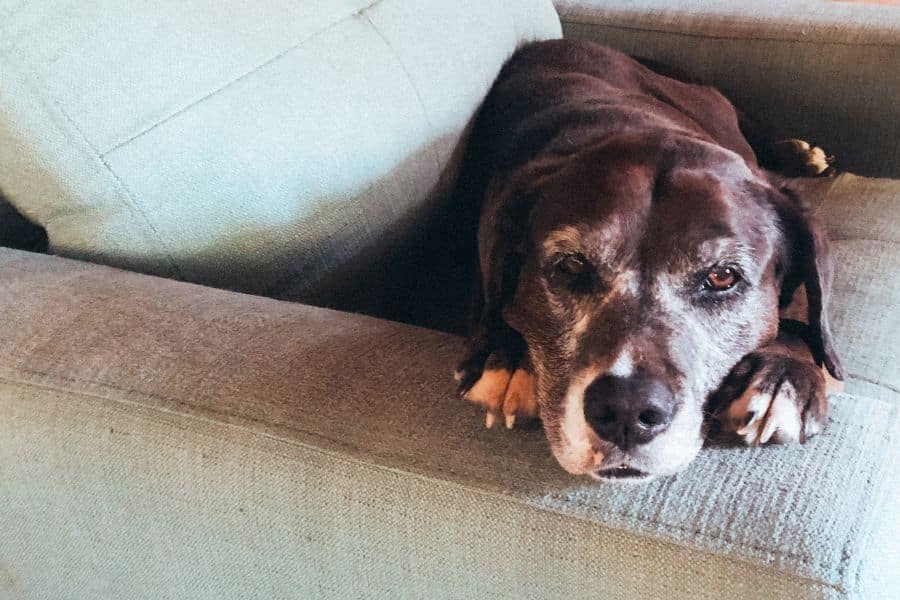
If you’ve noticed your dog or cat constantly chewing or licking one foot, you’re not alone. Excessive paw licking is one of the most common reasons pet owners seek veterinary care. While occasional grooming is normal, persistent attention to a single paw often signals pain, irritation, or an underlying health issue. In this guide, we’ll explain why your pet keeps licking one paw, common causes, warning signs that require urgent attention, and what you can do to help your furry companion feel better.
Why Does My Pet Keep Licking One Paw
Pets naturally groom themselves, but focusing repeatedly on one paw is usually not normal. Dogs and cats may lick excessively because they’re trying to relieve discomfort, itchiness, or pain.
Common causes include:
- Injuries
- Foreign objects
- Allergies
- Skin infections
- Insect bites
- Nail problems
- Arthritis or joint pain
- Growths or tumors
- Anxiety and stress
Identifying the reason early can prevent minor issues from becoming serious.
Foreign Objects Stuck in the Paw
One of the most common causes of excessive paw licking is something lodged between the toes or paw pads.
Examples include:
- Grass awns
- Splinters
- Small stones
- Burrs
- Pieces of glass
These objects can cause pain and inflammation. Some may migrate deeper into the skin, leading to infection if left untreated.
Signs to watch for
- Sudden onset of licking
- Limping
- Holding the paw up
- Redness or swelling
- Sensitivity when touched
Injuries and Cuts
Pets can step on sharp surfaces without you noticing. Even a tiny cut can become painful and attract constant licking.
Common injuries include:
- Torn nails
- Scratches
- Burns from hot pavement
- Cracked paw pads
- Minor puncture wounds
Excessive licking may slow healing and increase the risk of infection.
Allergies Can Affect Just One Paw
Allergies are another common reason pets keep licking one paw. Environmental allergens and food sensitivities often cause itchy skin, especially around the feet.
Symptoms may include:
- Red or inflamed skin
- Frequent licking or chewing
- Hair loss
- Recurring ear problems
- Skin odor
Although allergies usually affect multiple paws, some pets may initially focus on one area.
Skin Infections
Constant moisture from licking creates an ideal environment for bacteria and yeast to grow.
Signs of infection include:
- Red skin
- Swelling
- A foul smell
- Brown saliva staining
- Hair loss
- Thickened skin
Without treatment, infections can worsen and become painful.
Nail Problems
Broken or infected nails can be surprisingly painful and are often overlooked.
Possible nail issues include:
- Torn nails
- Ingrown nails
- Nail bed infections
- Overgrown nails
Pets with nail injuries may limp, cry out, or resist having their feet touched.
Insect Bites and Stings
Bees, ants, spiders, and other insects can cause sudden discomfort.
Your pet may experience:
- Localized swelling
- Redness
- Sudden licking
- Mild limping
Most reactions are mild, but severe allergic reactions require immediate veterinary care.
Joint Pain and Arthritis
Pain from arthritis or injuries higher up in the leg may cause pets to lick a paw repeatedly.
This behavior is sometimes called referred pain, where discomfort in one area causes licking in another.
Other signs include:
- Difficulty rising
- Reluctance to jump
- Slower movement
- Stiffness after resting
- Limping
Senior pets are particularly prone to arthritis-related discomfort.
Growths and Tumors
Masses between the toes or on the paw pads can cause irritation and persistent licking.
These growths may appear as:
- Lumps
- Swollen areas
- Ulcerated tissue
- Bleeding lesions
Not every lump is cancerous, but any new growth should be evaluated promptly.
Anxiety and Behavioral Causes
Stress and boredom can sometimes lead to excessive licking. This repetitive behavior may become a habit over time.
Common triggers include:
- Separation anxiety
- Changes in routine
- Lack of exercise
- Stressful environments
- Loud noises
Behavioral licking usually develops gradually rather than appearing suddenly.
Signs Your Pet Needs Urgent Attention
Certain symptoms indicate that paw licking requires immediate veterinary evaluation.
Seek urgent care if you notice:
Severe limping
If your pet refuses to bear weight or struggles to walk, pain may be significant.
Bleeding
Any persistent bleeding from the paw or nail should be addressed promptly.
Swelling
Sudden or severe swelling can signal infection, injury, or an allergic reaction.
Pus or discharge
Yellow or green drainage often indicates infection.
A foul odor
Strong smells from the paw commonly occur with bacterial or yeast infections.
Persistent licking despite home care
If your pet continues licking for more than a day or two, professional evaluation is recommended.
Fever or lethargy
General illness combined with paw problems may indicate a more serious condition.
Visible foreign object
Never attempt to remove deeply embedded objects yourself, as this may worsen the injury.
What You Can Do at Home
While waiting for a veterinary appointment, you can take a few simple steps:
- Examine the paw carefully.
- Look between the toes and pads.
- Rinse dirt or debris with lukewarm water.
- Prevent excessive licking using an e-collar if needed.
- Keep the paw clean and dry.
- Avoid applying human creams or medications without veterinary advice.
Never ignore ongoing licking, especially when only one paw is involved.
How Veterinarians Diagnose Paw Problems
Your Bangor veterinarian may perform:
- A physical examination
- Nail and paw pad inspection
- Skin testing
- Cytology to check for bacteria or yeast
- X-rays for deeper injuries
- Allergy evaluation
- Biopsy of suspicious masses
Accurate diagnosis allows treatment to target the underlying cause rather than just the symptoms.
Preventing Paw Problems
Routine paw care can help reduce many issues.
Helpful habits include:
- Inspect paws after walks
- Trim nails regularly
- Keep fur between paw pads clean
- Avoid hot pavement during summer
- Watch for excessive licking
- Maintain regular veterinary checkups
Early detection often prevents small problems from becoming major ones.
Conclusion
If your pet keeps licking one paw, it’s usually a sign that something is causing discomfort. From injuries and allergies to infections and joint pain, many conditions can trigger this behavior. Prompt attention can prevent complications and help your pet recover more quickly. If you notice persistent licking, swelling, limping, or signs of infection, don’t wait to seek care. Contact us at 207-942-2281 or schedule an appointment at Broadway Veterinary Clinic in Bangor, ME, to ensure your pet receives the attention they need.
FAQs
Q1: Why does my dog keep licking only one paw?
Ans: Dogs often lick one paw because of injuries, allergies, infections, foreign objects, or pain. Persistent licking should be evaluated by a veterinarian.
Q2: Is it normal for cats to lick one paw constantly?
Ans: No. Occasional grooming is normal, but excessive licking of one paw usually indicates irritation, pain, or an underlying medical issue.
Q3: When should I worry about paw licking?
Ans: You should seek veterinary care if your pet is limping, has swelling, bleeding, discharge, a foul odor, or continues licking excessively for more than a day or two.
Q4: Can anxiety cause excessive paw licking?
Ans: Yes. Stress, boredom, and anxiety can lead to repetitive licking behaviors, although physical causes should always be ruled out first.
Q5: Can a paw infection heal on its own?
Ans: Mild irritation may improve, but infections often worsen without treatment. Early veterinary care helps prevent pain and complications.

Trusted Pet Care & a Friendly Welcome for Every Pet
