1391 Broadway Bangor, ME 04401

Traveling with Pets This Summer: What Your Vet Wants You to Know Before You Go

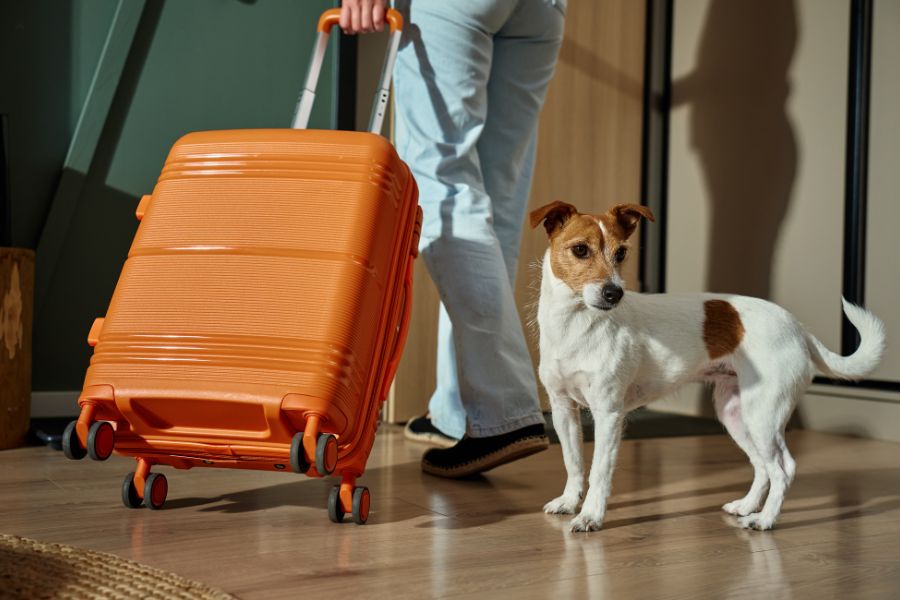
Summer is the perfect season for road trips, beach vacations, camping adventures, and family getaways. For many pet owners, bringing their furry companions along makes the experience even more enjoyable. However, traveling with pets requires more planning than simply packing a leash and food bowl.
Whether you’re heading across the state or across the country, understanding the essentials of traveling with pets can help keep your companion safe, healthy, and comfortable. In this guide, you’ll learn what veterinarians recommend before summer travel, how to prepare your pet for the journey, and ways to avoid common travel-related health risks.
Why Preparation Matters When Traveling With Pets?
Many pets thrive on routine, and travel can introduce unfamiliar environments, sounds, temperatures, and situations. Without proper preparation, pets may experience stress, anxiety, motion sickness, or even medical emergencies.
Before any trip, consider:
- Your pet’s age and overall health
- Travel distance and duration
- Climate at your destination
- Transportation method
- Pet-friendly accommodations
- Emergency veterinary access along the route
A little planning can make a significant difference in ensuring a safe and enjoyable trip for everyone.
Schedule a Pre-Travel Veterinary Visit
One of the most important steps in traveling with pets is scheduling a wellness examination before departure.
Your veterinarian can:
- Confirm your pet is healthy enough to travel
- Update vaccinations if needed
- Review parasite prevention plans
- Discuss travel anxiety solutions
- Address motion sickness concerns
- Refill medications
- Provide health certificates when required
Some airlines, hotels, campgrounds, and state regulations may require proof of vaccinations or a recent health certificate, so check requirements well in advance.
Discuss Destination-Specific Risks
Different regions can expose pets to unique health concerns.
For example:
- Tick-borne diseases may be more common in wooded areas
- Mosquito-heavy locations increase heartworm risk
- Hot climates can raise the danger of heatstroke
- Beaches may expose pets to saltwater ingestion and hot sand burns
Your veterinarian can recommend preventive measures tailored to your destination.
Make Sure Identification Is Up to Date
Travel increases the likelihood of pets becoming separated from their owners.
Before leaving:
- Confirm microchip registration information is current
- Ensure collar tags are readable
- Include your cell phone number on identification tags
- Consider a temporary travel tag with destination information
A properly identified pet has a much higher chance of being reunited with their family if they become lost.
Safe Car Travel Tips for Pets
Road trips are one of the most common forms of summer travel. While many pets enjoy car rides, safety should always come first.
Use Proper Restraints
Allowing pets to roam freely inside a vehicle can be dangerous.
Safer options include:
- Crash-tested pet harnesses
- Secured travel carriers
- Pet travel crates
- Vehicle barriers for larger dogs
These measures protect both pets and passengers during sudden stops or accidents.
Never Leave Pets in a Parked Vehicle
Even on mildly warm days, vehicle temperatures can rise rapidly.
A parked car can become dangerously hot within minutes, putting pets at risk for:
- Heatstroke
- Organ failure
- Severe dehydration
- Death
If your pet cannot accompany you inside, it’s best to leave them at home rather than in a vehicle.
Plan Frequent Breaks
During long drives:
- Stop every 2 to 3 hours
- Offer fresh water
- Allow bathroom breaks
- Provide opportunities for stretching and exercise
Regular breaks help reduce stress and improve comfort throughout the journey.
Preparing Pets for Air Travel
Flying with pets requires additional planning.
Before booking:
- Review airline pet policies carefully
- Verify carrier size requirements
- Understand health certificate requirements
- Confirm temperature restrictions
Carrier Training Helps Reduce Stress
Introduce the travel carrier several weeks before departure.
Make the carrier inviting by adding:
- Favorite blankets
- Familiar toys
- Treats
- Positive reinforcement
Pets that view carriers as safe spaces generally experience less travel anxiety.
Consider Your Pet’s Personality
Not every pet is suited for air travel.
Factors that may make flying more difficult include:
- Advanced age
- Respiratory conditions
- Severe anxiety
- Certain short-nosed breeds
Your veterinarian can help determine whether flying is an appropriate option.
Managing Travel Anxiety in Pets
Some pets adapt quickly to new environments, while others become nervous or fearful.
Common signs of travel anxiety include:
- Excessive panting
- Pacing
- Drooling
- Whining
- Trembling
- Loss of appetite
Strategies to Reduce Stress
Helpful approaches may include:
- Taking short practice trips before vacation
- Maintaining feeding schedules
- Bringing familiar bedding
- Using calming pheromone products
- Providing favorite toys
In some cases, veterinarians may recommend prescription medications for severe travel anxiety.
Protecting Pets From Summer Heat
Heat-related illnesses are among the most common travel emergencies veterinarians see during summer.
Recognize Signs of Heatstroke
Watch for:
- Excessive panting
- Bright red gums
- Weakness
- Vomiting
- Disorientation
- Collapse
Heatstroke can become life-threatening very quickly and requires immediate veterinary attention.
Ways to Keep Pets Cool
When traveling with pets during warm weather:
- Provide constant access to fresh water
- Travel during cooler parts of the day
- Avoid strenuous midday exercise
- Use shaded rest areas
- Bring portable water bowls
- Never leave pets unattended outdoors
For dogs, remember that hot pavement can burn paw pads. Test surfaces with your hand before walks.
Pack a Pet Travel Kit
Creating a dedicated travel kit helps ensure you’re prepared for unexpected situations.
Essential Items to Bring
Pack:
- Food and treats
- Water and portable bowls
- Medications
- Leash and harness
- Waste bags
- Litter and litter box for cats
- Medical records
- Vaccination documentation
- Towels
- First aid supplies
- Favorite toys and blankets
Having familiar items available can help pets feel more secure in unfamiliar surroundings.
Keep Parasite Protection Current
Summer travel often means increased exposure to parasites.
Depending on your destination, pets may encounter:
- Fleas
- Ticks
- Mosquitoes
- Intestinal parasites
Continue all recommended preventive medications before, during, and after your trip.
Check for Ticks Daily
If you’re hiking, camping, or spending time outdoors:
- Inspect your pet’s coat daily
- Check between toes
- Examine ears and neck areas
- Remove ticks promptly if found
Early detection reduces the risk of disease transmission.
Find Emergency Veterinary Care Before You Need It
Nobody plans for emergencies, but preparation can save valuable time.
Before traveling:
- Research veterinary clinics near your destination.
- Locate the nearest emergency animal hospital.
- Save important phone numbers in your phone.
- Know your route to emergency facilities.
Having a plan in place helps you respond quickly if your pet becomes ill or injured.
Pet-Friendly Lodging Considerations
Not all accommodations offer the same level of pet friendliness.
Before booking:
- Verify pet policies
- Ask about size restrictions
- Confirm breed limitations
- Review pet fees
- Check for nearby walking areas
Upon arrival, inspect the room for hazards such as exposed cords, toxic plants, or escape routes.
Helping Pets Adjust to New Environments
New sights, sounds, and smells can overwhelm some pets.
To ease the transition:
- Maintain regular feeding times
- Keep daily walks consistent
- Provide familiar bedding
- Allow gradual exploration
- Reward calm behavior
Maintaining routines whenever possible helps pets feel secure and confident.
Conclusion
Summer adventures can create unforgettable memories for both you and your pet. Successful traveling with pets starts with preparation, from scheduling a pre-travel veterinary exam to packing essential supplies and planning for emergencies. By taking proactive steps, you can reduce risks and make the experience safer and more enjoyable for everyone involved. If you’re preparing for a summer trip with your pet, contact Broadway Veterinary Clinic in Bangor, ME to schedule a pre-travel wellness visit and ensure your companion is ready for the journey ahead.
FAQs
Q1: How soon before a trip should my pet see a veterinarian?
Ans: Ideally, schedule a veterinary appointment two to four weeks before travel. This allows time to update vaccinations, obtain health certificates, and address any concerns.
Q2: Is traveling with pets safe during hot summer weather?
Ans: Yes, but extra precautions are necessary. Keep pets hydrated, avoid peak heat hours, and never leave them in parked vehicles.
Q3: What should I pack when traveling with pets?
Ans: Bring food, water, medications, identification, medical records, waste supplies, bedding, toys, and a pet first aid kit.
Q4: How can I reduce my pet’s travel anxiety?
Ans: Practice short trips, maintain routines, bring familiar items, and consult your veterinarian about calming products or medications if needed.
Q5: Do pets need a health certificate for travel?
Ans: Some airlines, states, and lodging facilities require health certificates. Check travel requirements well in advance and discuss them with your veterinarian.


Trusted Pet Care & a Friendly Welcome for Every Pet
